

Views: 220 Author: taidunmarine Publish Time: 2026-02-07 Origin: Site
Content Menu
>>> Advantages of Fluke Anchors
>>> Disadvantages of Fluke Anchors
>> Plow Anchors
>>> Advantages of Plow Anchors
>>> Disadvantages of Plow Anchors
>> Claw Anchors
>>> Advantages of Claw Anchors
>>> Disadvantages of Claw Anchors
>>> Advantages of Mushroom Anchors
>>> Disadvantages of Mushroom Anchors
>>> Advantages of Grapnel Anchors
>>> Disadvantages of Grapnel Anchors
>> Intended Use
>> What type of anchor is best for my boat?
>> How do I determine the right anchor size?
>> Can I use multiple anchors at once?
>> What maintenance do anchors require?
Nanjing Taidun Marine Equipment Engineering Co., Ltd is a leading manufacturer specializing in rubber fenders, marine fenders, rubber products, mooring bollards, and steel structure products. Our company provides OEM services to international manufacturers, brand owners, wholesalers, and producers of marine equipment. In this article, we will explore the various types of anchors, their uses, and how to choose the right one for your needs. Anchors are essential for securing vessels in place, and understanding the different types can significantly enhance your boating experience.
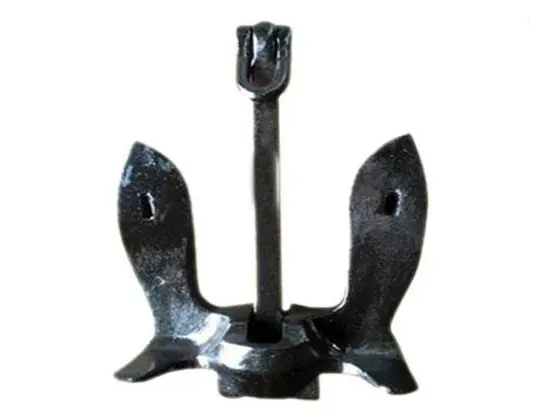
An anchor is a device used to connect a vessel to the sea bottom, providing stability and preventing drifting due to wind or current. Anchors come in various shapes and sizes, each designed for specific conditions and seabed types. The choice of anchor can greatly affect the safety and security of your vessel.
Fluke anchors, commonly known as Danforth anchors, are lightweight and designed with two long pivoting flukes. They are ideal for soft seabeds like mud and sand, where they can dig in effectively. Their design allows for easy storage, making them a popular choice among recreational boaters.
- Lightweight: Easy to handle and store.
- Good Holding Power: Excellent for soft bottoms.
- Cost-Effective: Generally more affordable than other types.
- Limited Use: Not effective in rocky or hard seabeds.
- Fouling Risk: Can become entangled in grass or debris.
Plow anchors, such as the CQR and Delta, are designed to provide excellent holding power across various seabed types. Their shape allows them to dig into the seabed and reset easily if the boat shifts.
- Versatile: Effective in mud, sand, and gravel.
- Strong Holding Power: Performs well in various conditions.
- Self-Resetting: Can adjust to changes in wind or tide.
- Weight: Heavier than fluke anchors, making them less portable.
- Storage: Some models do not fold, requiring more space.
Claw anchors, also known as Bruce anchors, are designed with a three-claw design that allows for easy setting and resetting. They are effective in a variety of seabed conditions, including mud, sand, and rock.
- Easy to Set: The design allows for quick anchoring.
- Good Versatility: Works well in different seabed types.
- Resets Easily: Adapts to changing conditions.
- Lower Holding Power: May require a larger size compared to other anchors.
- Difficult in Hard Bottoms: Struggles to penetrate rocky surfaces.
Mushroom anchors are typically used for small boats in calm waters. Their design allows them to bury themselves in soft seabeds, providing a secure hold.
- Ideal for Small Boats: Perfect for shallow, calm waters.
- Buries Deep: Provides strong holding power in soft bottoms.
- Limited Use: Not suitable for rough waters or strong currents.
- Heavy: Can be cumbersome to handle.
Grapnel anchors are simple and inexpensive, often used for small boats or for recovering items from the seabed. They have multiple prongs that can catch on various surfaces.
- Cost-Effective: Very affordable for small boaters.
- Versatile Use: Can be used for various applications, including fishing.
- Low Holding Power: Not suitable for securing larger vessels.
- Limited Depth: May not hold well in deeper waters.
When selecting an anchor, consider the following factors:
The size and weight of your boat will determine the type and size of anchor you need. Larger boats require anchors with greater holding power.
Different anchors perform better in specific seabed types. Assess the conditions where you will be anchoring to choose the most suitable anchor type.
Consider how you plan to use your boat. If you frequently anchor in rocky areas, a plow or claw anchor may be more appropriate. For soft bottoms, a fluke anchor would suffice.
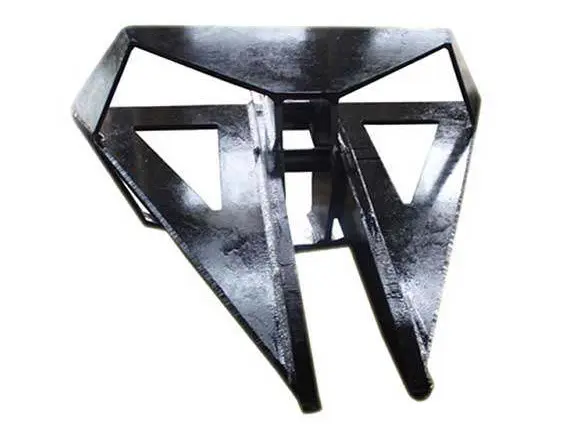
The best anchor depends on your boat size, weight, and the seabed conditions. Fluke anchors are great for soft bottoms, while plow anchors are versatile for various conditions.
A general rule is to choose an anchor that weighs 1/10th of your boat's weight. For example, a 30-foot boat weighing 3,000 pounds would require a 30-pound anchor.
Yes, using multiple anchors can provide additional security, especially in rough conditions. However, ensure they are set correctly to avoid entanglement.
Most anchors can be stored in a dedicated locker or on the deck. Ensure they are clean and dry to prevent rust and corrosion.
Regularly inspect your anchor for signs of wear or damage. Clean it after use, especially if it has been in saltwater, to prevent corrosion.
Understanding the different types of anchors and their applications is crucial for any boater. Nanjing Taidun Marine Equipment Engineering Co., Ltd is committed to providing high-quality marine equipment, including a range of anchors suitable for various needs. By selecting the right anchor, you can ensure a safe and enjoyable boating experience.
Hot Tags: China, Global, OEM, private label, manufacturers, factory, suppliers, manufacturing company


