

Views: 220 Author: taidunmarine Publish Time: 2026-01-30 Origin: Site
Content Menu
● The Importance of Anchor Diagrams
>> Key Components of an Anchor
>>> Shank
>>> Flukes
>>> Stock
>>> Chain Attachment
>>> Fluked Anchors
>>> Plow Anchors
>>> Grapnel Anchors
>>> Mushroom Anchors
● How to Read an Anchor Diagram
>> Visualizing the Functionality
● The Role of Anchors in Maritime Safety
>> Proper Anchoring Techniques
>> FAQs
Nanjing Taidun Marine Equipment Engineering Co., Ltd is a leading manufacturer specializing in OEM services for anchor products. In the maritime industry, understanding the components and functionality of anchors is crucial for ensuring safety and efficiency. This article delves into the intricacies of anchor diagrams, providing insights into their design, types, and applications.
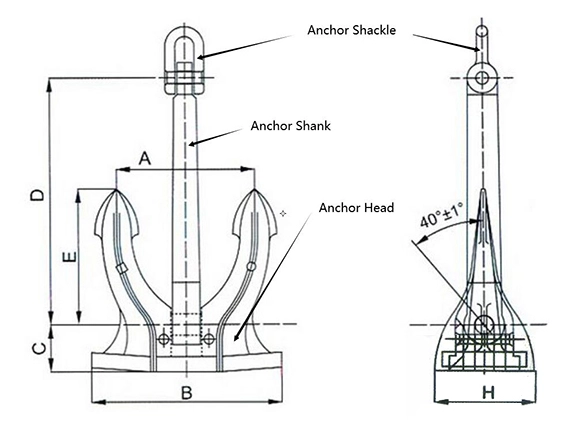
An anchor is a device used to secure a vessel to the seabed, preventing it from drifting due to wind or current. Anchors achieve this by either using their weight to hold structures in place or by digging into the seabed. The design and functionality of anchors have evolved over time, leading to various types suited for different marine conditions.
Anchor diagrams serve as visual representations of the various components of an anchor. They are essential for understanding how anchors work and how to use them effectively. These diagrams typically include labeled parts such as the shank, flukes, stock, and chain attachment, providing a clear overview of the anchor's structure.
Understanding the key components of an anchor is vital for anyone involved in maritime activities. Here are the primary parts typically illustrated in anchor diagrams:
The shank is the long, vertical part of the anchor that connects the flukes to the anchor rode. It plays a crucial role in the anchor's ability to dig into the seabed.
Flukes are the angled arms of the anchor that dig into the seabed. They are designed to provide maximum holding power by increasing the surface area that contacts the seabed.
The stock is a horizontal bar that crosses the shank. It helps to orient the anchor correctly when it is deployed, ensuring that the flukes dig into the seabed effectively.
The chain attachment connects the anchor to the anchor rode, which is the line or chain that secures the anchor to the vessel. The type of chain used can significantly affect the anchor's performance.
There are several types of anchors, each designed for specific conditions and uses. Understanding these types is essential for selecting the right anchor for your needs.
Fluked anchors, such as the Danforth anchor, are designed with two or more flukes that dig into the seabed. They are lightweight and provide excellent holding power in soft bottoms.
Plow anchors, like the CQR and Delta anchors, have a plow-shaped design that allows them to penetrate various seabed types. They are known for their reliability and holding power.
Grapnel anchors are typically used for small boats and are designed to snag onto the seabed. They are not as effective in strong currents but are useful for temporary anchoring.
Mushroom anchors are heavy and designed to settle into the seabed. They are often used for permanent moorings due to their excellent holding power.
Reading an anchor diagram is straightforward once you understand the components. Here are some tips for interpreting these diagrams effectively:
Each part of the anchor is labeled in the diagram. Familiarize yourself with these labels to understand how each component contributes to the anchor's functionality.
Anchor diagrams often include arrows or lines that indicate how the anchor functions when deployed. Pay attention to these visual cues to grasp how the anchor interacts with the seabed.
Anchors play a critical role in maritime safety. Proper anchoring techniques can prevent accidents and ensure the safety of vessels and their crews. Here are some key points to consider:
Selecting the appropriate anchor for your vessel and the conditions is crucial. Factors to consider include the type of seabed, the size of the vessel, and the expected weather conditions.
When anchoring, it is essential to follow proper techniques to ensure the anchor sets correctly. This includes allowing enough scope, ensuring the anchor is free to deploy, and checking the holding power after deployment.
Understanding anchor diagrams and the components of anchors is essential for anyone involved in maritime activities. Nanjing Taidun Marine Equipment Engineering Co., Ltd is committed to providing high-quality OEM anchor products that meet the needs of our clients. By familiarizing yourself with anchor types and their functionalities, you can enhance your maritime safety and efficiency.

1. What is the best type of anchor for a small boat?
- The best type of anchor for a small boat is typically a fluked anchor, such as a Danforth, due to its lightweight and excellent holding power in soft bottoms.
2. How do I know if my anchor is set properly?
- You can check if your anchor is set properly by pulling on the anchor rode to see if it holds firm. If it drags, you may need to reset it.
3. What factors should I consider when choosing an anchor?
- Consider the type of seabed, the size and weight of your vessel, and the expected weather conditions when choosing an anchor.
4. How much anchor rode should I use?
- A general rule is to use 5 to 7 times the depth of the water for your anchor rode to ensure proper holding power.
5. Can I use the same anchor for different seabed types?
- While some anchors are versatile, it is best to choose an anchor specifically designed for the seabed type you will be anchoring in for optimal performance.
Hot Tags: China, Global, OEM, private label, manufacturers, factory, suppliers, manufacturing company


