

Views: 425 Author: Nanjing Taidun Publish Time: 2026-05-23 Origin: Site
Content Menu
● Why "Ship Dock Bumpers" Are More Critical Than Ever in 2026
● Core Products That Define the "2026 Strength Choice"
>> Marine Rubber Fenders — The First Line of Defense
>> Mooring Bollards — Holding It All Together
● Critical Selection Criteria for Ship Dock Bumpers in 2026
>> 1. Energy Absorption and Reaction Force
>> 2. Material Quality and Certifications
>> 3. BS 6349-4:2026 — The New Mooring Standard
>> 4. Service Life and Warranty
● User Feedback — Real Voices from the Industry
● How to Choose Your 2026 Ship Dock Bumper Supplier
● The Nanjing Taidun Difference
● Frequently Asked Questions (FAQ)
When a vessel approaches a dock, the only thing standing between a safe berthing and a costly structural repair is your fendering system. In 2026, port operators and vessel owners face an unprecedented challenge: larger ships, faster turnaround times, and stricter safety regulations.
So what makes the 2026 strength choice for ship dock bumpers? After two decades manufacturing OEM marine fender systems and mooring bollards for global brands, I will give you the answer — backed by real data, industry standards, and field-tested expertise .
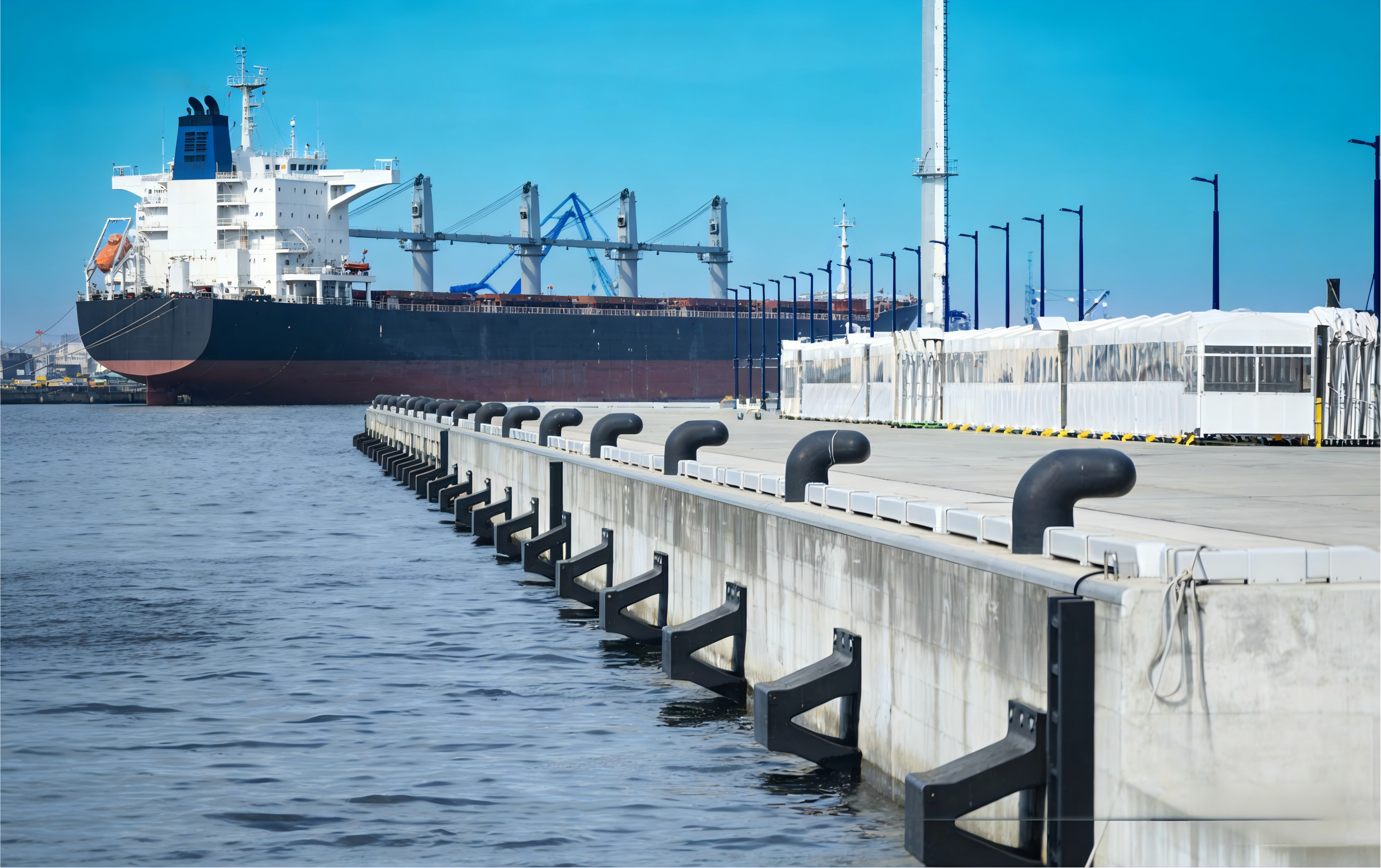
The term "ship dock bumper" is the practical, search-friendly name for what engineers call marine fenders. But whatever you call them, their job is the same: absorb berthing energy, protect vessels and quay walls, and ensure operational continuity .
Three trends make 2026 the year to reassess your fendering strategy:
| Trend | Impact on Fender Selection |
|---|---|
| Larger vessels calling at ports | Higher energy absorption requirements |
| New PIANC WG211 guidelines | Changed berthing velocity assumptions |
| BS 6349-4:2026 publication | Updated mooring and fendering design standards |
> *"Our marine fenders are engineered with low reaction force, high energy absorption and seawater corrosion-resistance for port and ship applications."*
> — *Nanjing Taidun Marine Engineering Specification*
Your ship dock bumpers must handle repeated impacts without failing. Based on our OEM experience across 80+ countries, here are the key fender types and their applications :
| Fender Type | Best Application | Key Advantage |
|---|---|---|
| Cone Fender | Container terminals, bulk carriers | High energy absorption, long stroke |
| Cell Fender | Oil/LNG terminals, large tidal ranges | Excellent performance at high deflection |
| Cylindrical Fender | General cargo, tugboats | Cost-effective, easy to install |
| Arch Fender | Small to medium vessels | Compact, low reaction force |
| Pneumatic Fender | STS transfers, offshore | Lightweight, floats naturally |
Manufacturing matters. According to industry standards, fenders produced by injection molding technology offer better compactness, uniform performance, and longer service life — up to 20-25 years under normal use .
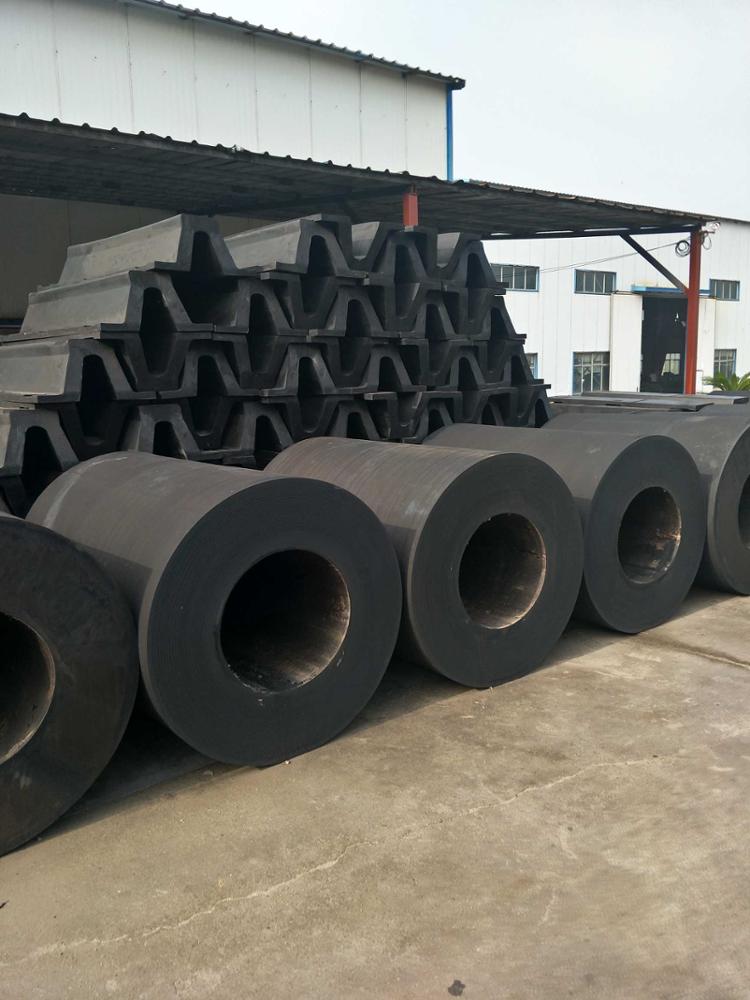
A fender protects during impact. A mooring bollard holds the vessel after berthing. You need both.
Key bollard specifications for 2026:
| Bollard Type | Material | Rated Pull Capacity | Best Application |
|---|---|---|---|
| Single Head Bollard | Cast steel / Cast iron | 10-150 tons | Standard commercial berths |
| Double Head Bollard | Cast steel | 50-300 tons | Large vessel terminals |
| Tee Head Bollard | Fabricated steel | 30-200 tons | Container terminals |
| Pillar Bollard | Cast iron | 5-50 tons | Small craft harbors |
For harsh marine environments, 316L stainless steel bollards provide superior corrosion resistance without the maintenance burden of painted carbon steel — though at higher initial cost .
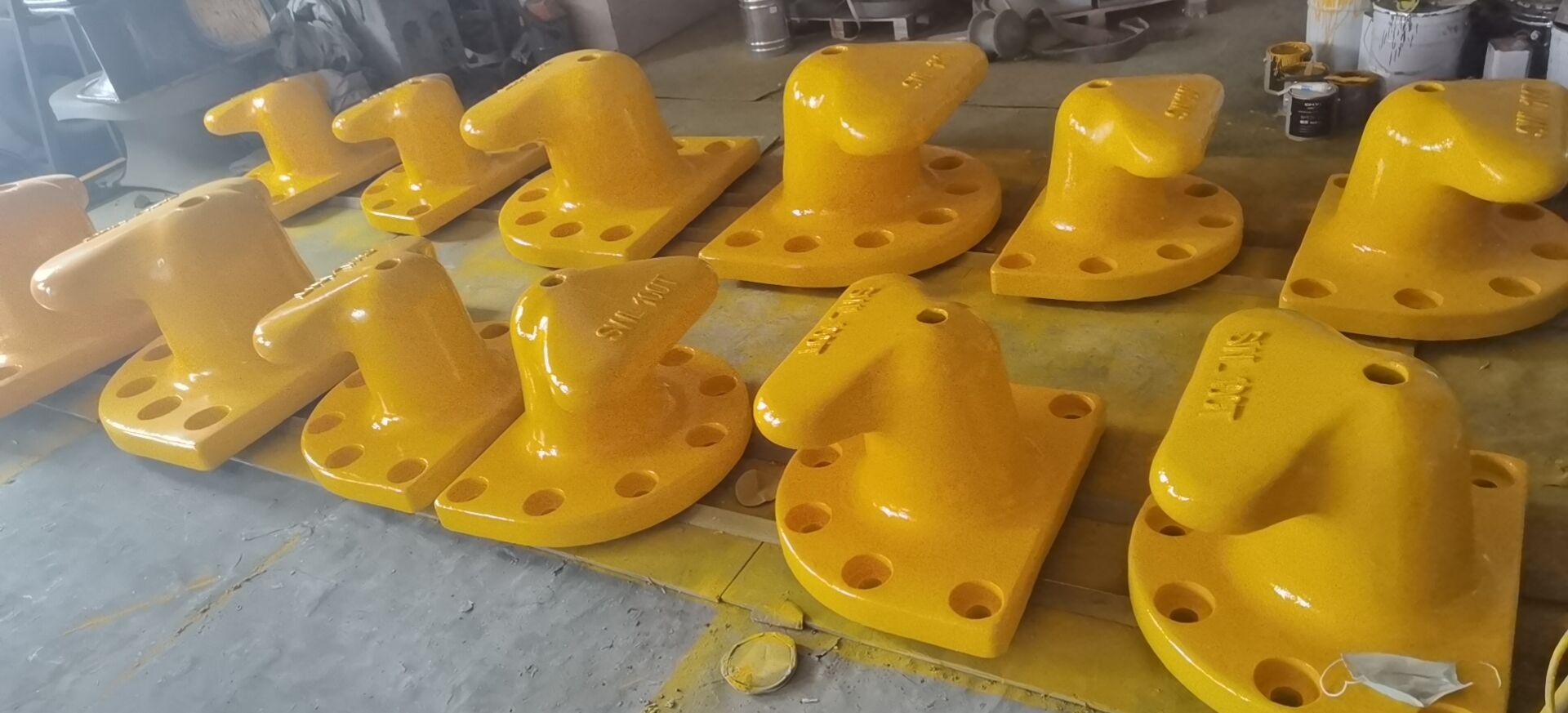
This is the fundamental trade-off. Higher energy absorption usually means higher reaction force — which transfers stress to your vessel hull.
| Parameter | What to Look For |
|---|---|
| Energy absorption (GEA) | Match to vessel size and berthing speed |
| Reaction force | Lower is better for hull protection |
| Deflection at rated energy | Typically 52.5-60% |
Pro tip: Request compression test reports. All finished fenders should be inspected per PIANC 2002 and HG/T2866-1997 standards .
The harsh marine environment — saltwater, UV, temperature extremes — destroys low-quality materials quickly.
Certifications that matter in 2026:
| Certification | What It Validates |
|---|---|
| ISO 9001:2015 | Quality management system |
| PIANC compliance | International fender performance standards |
| BV / ABS / LR / CCS | Marine classification society approval |
| CE Mark | EU market access |
When selecting a supplier, look for independent third-party certification from BV, SGS, LR, CCS, or TUV .
Published in February 2026, BS 6349-4:2026 provides updated recommendations on the design of fendering and mooring systems for commercial vessels with minimum displacement of 1,000 tonnes .
Key updates include:
| Section | Coverage |
|---|---|
| Section 2 — Fendering | Berthing energy calculation, fender selection criteria |
| Section 3 — Mooring | Bollard loads, mooring equipment requirements |
Why this matters: If you are designing or upgrading a terminal in 2026, your fender and bollard specifications must align with this new code of practice.
A quality ship dock bumper should deliver 20-25 years of service life under normal operating conditions .
| Service Life Factor | Impact |
|---|---|
| Material quality | Premium rubber compounds last longer |
| Manufacturing method | Injection molding vs. wrapping affects durability |
| Maintenance program | Regular inspection extends life |
| Environmental exposure | UV, ozone, and chemical exposure reduce life |
What to demand:
- Minimum 12-month warranty (lifetime after-sales support available from quality manufacturers)
- Full test documentation for each batch
- Installation guidance and technical backup
We have collected feedback from port operators and vessel owners who have made the 2026 strength choice for their fendering systems. Here is what they say:
> *"We switched to cone fenders with steel panels five years ago. Vessel sizes have increased 30% since then, but we have had zero quay wall issues. The injection-molded construction makes a noticeable difference in consistency."*
> — *Terminal Operations Manager, Southeast Asia*
> *"Our old bollards were rusting through every 3-4 years despite regular painting. We replaced them with 316L stainless steel bollards. Five years later, they still look like new. The upfront cost was higher, but the maintenance savings paid for themselves."*
> — *Port Engineer, European North Sea Terminal*
> *"The new BS 6349-4:2026 guidelines changed how we calculate berthing energy. We had to re-evaluate our entire fender layout. Working with an OEM who understood the new standards made the transition smooth."*
> — *Infrastructure Director, UK Port Authority*
For brand owners, wholesalers, and production facilities, partnering with an OEM manufacturer offers distinct advantages:
| OEM Benefit | What You Get |
|---|---|
| Factory-direct pricing | Lower cost per unit |
| Custom engineering | Products tailored to your specifications |
| Quality control | Consistent manufacturing standards |
| Certification support | BV, SGS, LR, CCS inspection available |
| Global shipping | Direct delivery to your customers |
| Red Flag | Why It Matters |
|---|---|
| Vague certification claims | “ISO certified” without specific standards named |
| No test reports | Cannot verify actual performance |
| Unusually low price | May indicate substandard materials |
| Limited warranty | Suggests lack of confidence in product |
| No technical support | Installation problems become your problems |
At Nanjing Taidun Marine Equipment Engineering Co., Ltd. , we deliver the 2026 strength choice for ship dock bumpers and mooring bollards through OEM partnerships with global brands.
Our capabilities include:
| Capability | Specification |
|---|---|
| Annual output | 20,000 tons of rubber fenders |
| Facility size | 300,000 m² |
| Global reach | Exported to 80+ countries, 1,000+ projects |
| Certifications | BV, SGS, LR, CCS, TUV, GL |
| Standards compliance | PIANC 2002, ISO 9001, HG/T2866-1997 |
| Manufacturing methods | Injection molding (arch, element, cone) + Wrapping (cell, cylindrical) |
We manufacture across all major product lines:
- ✓ Cone, cell, arch, cylindrical rubber fenders
- ✓ Pneumatic and foam fenders
- ✓ Cast steel and cast iron mooring bollards (single, double, tee, pillar)
- ✓ UHMW-PE fender panels and accessories
When you partner with Nanjing Taidun, you get factory-direct pricing, full certification documentation, and lifetime technical support — all backed by two decades of maritime manufacturing excellence.
The 2026 strength choice for ship dock bumpers comes down to four factors: energy absorption, material quality, certification compliance, and OEM manufacturing expertise. Do not compromise on any of them.
[Contact the Nanjing Taidun Engineering Team] for a free fendering system consultation. Send us your vessel specifications and berthing conditions — we will recommend the optimal fender and bollard configuration for your 2026 project.
Q1: What is the difference between a marine fender and a ship dock bumper?
A: They refer to the same product. "Marine fender" is the engineering term; "ship dock bumper" is the more search-friendly, practical name used by port operators and procurement professionals.
Q2: How long do quality marine fenders last?
A: Under normal use, premium fenders manufactured by injection molding technology last 20-25 years. Lower-quality fenders may fail within 5-10 years .
Q3: What certifications should I look for when buying fenders?
A: Look for ISO 9001, PIANC compliance, and classification society approvals (BV, ABS, LR, CCS). These verify that products meet international performance standards .
Q4: What is BS 6349-4:2026 and why does it matter?
A: Published in February 2026, this British Standard provides updated code of practice for designing fendering and mooring systems for commercial vessels over 1,000 tonnes. Compliance ensures your berthing infrastructure meets current safety recommendations .
Q5: Are stainless steel bollards worth the extra cost?
A: For saltwater environments, yes. 316L stainless steel bollards eliminate the need for regular repainting and resist corrosion far better than carbon steel with coatings, reducing lifecycle costs despite higher upfront investment .
Q6: What is the difference between injection molding and wrapping for fender manufacturing?
A: Injection molding (used for arch, element, and cone fenders) offers better compactness, uniform performance, and longer life. Wrapping (used for cell and cylindrical fenders) provides high adhesion and no delamination but different performance characteristics .
Q7: How do I calculate the right fender size for my terminal?
A: Fender sizing depends on vessel displacement, berthing speed, tidal range, and structure geometry. The new BS 6349-4:2026 provides updated calculation methods . Consult an OEM engineer for site-specific recommendations.


