

Views: 220 Author: taidunmarine Publish Time: 2026-02-04 Origin: Site
Content Menu
● Understanding Anchor Handling Vessels
>> What is an Anchor Handling Vessel?
>> Key Features of Anchor Handling Vessels
● The Importance of Anchor Handling Vessels in Marine Operations
>> Supporting Offshore Oil and Gas Exploration
>> Facilitating Marine Construction Projects
>> Enhancing Salvage Operations
● The Design and Construction of Anchor Handling Vessels
>> Materials Used in Construction
● The Future of Anchor Handling Vessels
>> Environmental Considerations
>> 1. What is the primary function of an anchor handling vessel?
>> 2. How do anchor handling vessels contribute to offshore safety?
>> 3. What features make anchor handling vessels suitable for rough sea conditions?
>> 4. What industries rely on anchor handling vessels?
>> 5. How is technology shaping the future of anchor handling vessels?
Nanjing Taidun Marine Equipment Engineering Co., Ltd is a leading manufacturer specializing in the production of high-quality anchor handling vessels (AHVs). These vessels play a crucial role in marine operations, particularly in the offshore oil and gas industry. This article explores the significance of anchor handling vessels, their design, functionality, and the various applications they serve in maritime operations.
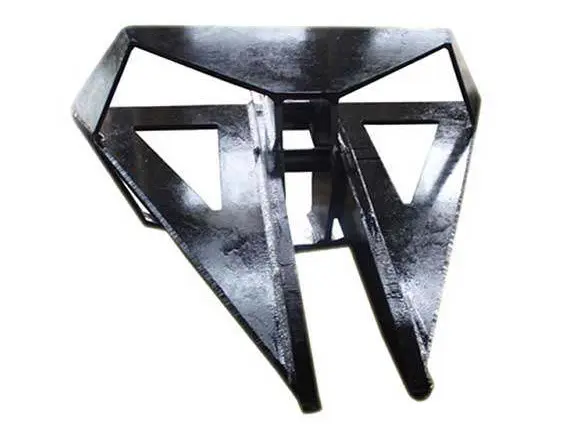
An anchor handling vessel is a specialized ship designed to assist in the deployment and retrieval of anchors for offshore platforms and other marine structures. These vessels are equipped with powerful winches, cranes, and other equipment necessary for handling heavy anchors and chains. The primary function of an AHV is to ensure that anchors are securely placed and retrieved, which is vital for the stability and safety of offshore operations.
Anchor handling vessels are characterized by several key features that enhance their operational efficiency:
- Powerful Winches: AHVs are equipped with high-capacity winches that can handle the heavy loads associated with anchors and chains. These winches are essential for both deploying and retrieving anchors from the seabed.
- Dynamic Positioning Systems: Many modern anchor handling vessels are equipped with dynamic positioning systems that allow them to maintain a precise position over the anchor site. This technology is crucial for ensuring accurate anchor placement and retrieval.
- Robust Hull Design: The hull design of an AHV is optimized for stability and maneuverability in rough sea conditions. This ensures that the vessel can operate effectively in various marine environments.
- Advanced Navigation and Communication Systems: To enhance operational safety and efficiency, anchor handling vessels are equipped with state-of-the-art navigation and communication systems. These systems facilitate real-time communication with offshore platforms and other vessels.
Anchor handling vessels are indispensable in the offshore oil and gas industry. They are primarily used to secure drilling rigs and production platforms to the seabed. The stability provided by properly deployed anchors is critical for the safety of drilling operations. Without reliable anchor handling, the risk of accidents and operational downtime increases significantly.
In addition to their role in oil and gas exploration, anchor handling vessels are also vital for marine construction projects. They assist in the installation of subsea structures, such as pipelines and wind turbine foundations. The ability to accurately position and secure these structures is essential for the success of marine construction endeavors.
Anchor handling vessels are often employed in salvage operations to recover sunken vessels or equipment. Their powerful winches and cranes enable them to lift heavy objects from the seabed, making them a valuable asset in emergency situations.
The construction of anchor handling vessels involves the use of high-strength materials to ensure durability and reliability. Steel is the primary material used for the hull and structural components, while advanced composites may be used for specific applications to reduce weight and enhance performance.
When designing an anchor handling vessel, several factors must be considered:
- Operational Requirements: The vessel must be designed to meet the specific operational requirements of the tasks it will perform. This includes considerations for the size and weight of anchors, as well as the environmental conditions in which it will operate.
- Safety Features: Safety is paramount in marine operations. Anchor handling vessels must be equipped with safety features such as emergency stop systems, fire suppression systems, and life-saving equipment.
- Crew Comfort and Efficiency: The design of the vessel should also consider the comfort and efficiency of the crew. Adequate living quarters, workspaces, and safety equipment are essential for maintaining crew morale and productivity.
The future of anchor handling vessels is likely to be shaped by technological advancements. Innovations in automation, artificial intelligence, and remote operation are expected to enhance the efficiency and safety of anchor handling operations. These technologies will allow for more precise control of vessel movements and reduce the risk of human error.
As the maritime industry increasingly focuses on sustainability, anchor handling vessels will need to adapt to meet environmental regulations. This may involve the use of cleaner fuels, improved waste management systems, and technologies that minimize the environmental impact of marine operations.
Anchor handling vessels are a critical component of marine operations, particularly in the offshore oil and gas industry. Their ability to securely deploy and retrieve anchors ensures the safety and stability of offshore platforms and structures. As technology continues to evolve, the design and functionality of anchor handling vessels will also advance, further enhancing their role in maritime operations.

The primary function of an anchor handling vessel is to assist in the deployment and retrieval of anchors for offshore platforms and marine structures.
By ensuring that anchors are securely placed and retrieved, anchor handling vessels help maintain the stability of offshore platforms, reducing the risk of accidents.
Anchor handling vessels are designed with robust hulls, powerful winches, and dynamic positioning systems that enhance their stability and maneuverability in challenging marine environments.
Anchor handling vessels are primarily used in the offshore oil and gas industry, marine construction projects, and salvage operations.
Technological advancements, including automation and artificial intelligence, are expected to improve the efficiency and safety of anchor handling operations in the future.
Hot Tags: China, Global, OEM, private label, manufacturers, factory, suppliers, manufacturing company


