

Views: 332 Author: NANJING TAIDUN Publish Time: 2026-09-13 Origin: Site
Content Menu
● Introduction: The Compatibility Chaos Nobody Budgeted For
● The LNG Bunkering Boom: Why Interfaces Matter More Than Ever
>> Market Growth and Infrastructure Constraints
>> The Cost of Unpredictability
● Defining the Challenge: Why Interfaces Fail
>> The Anatomy of Compatibility Failure
>> The Compatibility Risk Matrix
● Engineering Solutions: Optimizing the Bunkering Interface
>> Standardization as the Foundation
>> The Predictability Framework
>> Real-World Interface Optimization: Three Case Studies
● Crew Competency: The Human Interface
>> Beyond Certification: Applied Competence
>> Simulation-Based Training Advantages
● The Regulatory Landscape: Standards That Shape Interfaces
>> Key Frameworks Governing LNG Bunkering Interfaces
● Future-Proofing: What the Next Five Years Demand
>> Fleet Growth and Infrastructure Scaling
>> Strategic Recommendations for Operators
● Conclusion: Interfaces as Strategic Assets
● Frequently Asked Questions (FAQ)
>> 1. What is "compatibility chaos" in LNG bunkering and why does it matter?
>> 2. What is a Ship-Shore Link (SSL) and why is it critical for LNG bunkering?
>> 3. How do pneumatic rubber fenders contribute to safe LNG bunkering operations?
>> 4. What training is required for LNG bunkering crews beyond STCW certification?
>> 5. What are the key regulatory standards governing LNG bunkering interfaces?
NANJING TAIDUN has spent years watching LNG bunkering operations fail for reasons that have nothing to do with equipment quality. The problem is more subtle—and more expensive—than that.
An LNG carrier built with non-standard Ship-Shore Link systems found itself unable to transmit required mooring data to most Japanese terminals. The vessel could not call at ports it was designed to serve. The fix required replacing SSL systems during port calls and vessel transit, a logistical nightmare that restored interoperability but at significant cost and disruption.
This is compatibility chaos—the hidden operational tax that LNG bunkering imposes when interfaces between supply vessels, receiving ships, and terminals fail to align. And as the LNG bunkering market surges toward 13.68 million metric tons in 2026, growing at a projected 32.70% CAGR through 2031, the stakes have never been higher.
This analysis examines why interface optimization determines whether LNG bunkering scales profitably—or becomes a constraint on global fleet decarbonization.
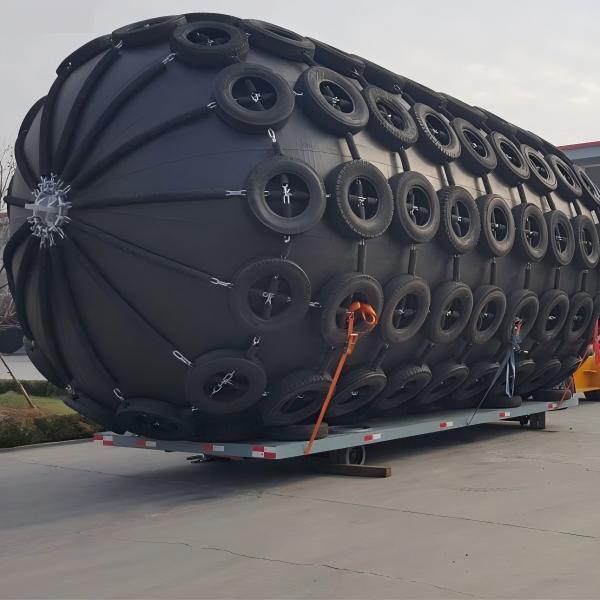
The numbers tell a story of explosive growth meeting structural friction:
| Metric | 2025 | 2026 (Projected) | 2031 (Projected) |
|---|---|---|---|
| Global LNG bunkering volume | ~4 million tonnes | 13.68 million tonnes (capacity) | 56.29 million tonnes |
| Year-over-year growth | 38% | — | 32.70% CAGR |
| Active LNG bunkering vessels | 67 | 67+ (42 under construction) | 109+ (by 2029) |
| Asia bunkering volume growth | +45% | — | — |
| Europe volume growth | +26% | — | — |
Asia spearheaded the 2025 expansion, accounting for nearly half the global increase. China alone contributed approximately 80% of the region's growth, driven by two new bunkering vessels that catalyzed a massive uptick in the container ship segment. Singapore reinforced this momentum with a 24% rise in LNG consumption, led by vehicle carriers and container operations.
Europe remains the global hub, handling 41% of total volumes. Belgium emerged as a primary node in 2025, with Antwerp volumes surging 266% year-on-year.
But this growth exposes a fundamental vulnerability: the LNG bunkering supply chain is not standardized. Unlike cargo LNG transfers—which occur between purpose-built carriers and standardized terminals with consistent equipment and procedures—bunkering involves a diverse mix of vessel types, manifold configurations, mooring systems, and transfer interfaces often from different manufacturers.
> *"These differences mean that the operational interfaces between ship-to-ship transfer systems can be different each time, such as the alignment of safety links, hose and transfer systems, manifolds and fenders – creating operational unpredictability for each refueling."*
Unpredictability in LNG bunkering carries direct financial consequences:
- Safety margin erosion: Incompatible SSL systems prevent critical data transfer
- Flow performance penalties: Misaligned hose configurations increase pressure drops and boil-off
- Turnaround time inflation: Each compatibility issue adds hours to port stays
- Market access restriction: Vessels with non-standard interfaces cannot trade freely
The operational reality is that LNG bunkering is not a standalone transaction—it is a symbiotic process where equipment across ship-to-ship or ship-to-terminal transfers must operate seamlessly under variable conditions.
Compatibility failures in LNG bunkering stem from three interconnected sources:
1. Equipment Fragmentation
Different manufacturers produce SSL systems, mooring load monitoring equipment, hoses, and fenders with proprietary specifications. When these systems meet at the transfer interface, data protocols, physical connections, and safety logic may not align.
2. Regulatory Variation
While the IMO IGF Code and SGMF guidelines provide frameworks, their voluntary nature allows significant variation in implementation across jurisdictions. Shipyards embed interoperability as a design principle inconsistently.
3. Crew Competency Gaps
The LNG bunkering workforce includes many crew members transitioning from conventional fuel operations with limited cryogenic experience. Frequent rotations dilute institutional knowledge.
| Interface Type | Common Failure Mode | Operational Impact |
|---|---|---|
| SSL/USL systems | Data protocol mismatch | Port access denial |
| Manifold configurations | Physical connection incompatibility | Transfer abort |
| Mooring load monitoring | Calibration drift | Unsafe line tension |
| Hose assemblies | Pressure drop, boil-off | Reduced flow rate |
| Fender systems | Standoff misalignment | Hull contact risk |
The path to reliable LNG bunkering begins with standardized interfaces that reduce variability at every connection point.
Ship-Shore Link (SSL) systems represent the most critical interface. Modern hybrid SSL/USL systems allow bunker vessels to replenish from large-scale LNG terminals and then service smaller LNG-fueled vessels with the same equipment. This eliminates the need for multiple systems and reduces compatibility risk.
Hose assemblies require equally rigorous standardization. Cryogenic composite hoses designed for LNG transfer must accommodate the specific flow rates, pressure drops, and thermal profiles of bunkering operations. Type and class approvals from BV, ABS, and other classification societies provide independent verification of performance claims.
Achieving operational predictability requires a systematic approach:
1. Interface Architecture Mapping: Document every connection point, control signal, and safety system across supply vessel, receiving vessel, and terminal
2. Fluid-Dynamic Modeling: Optimize hose and pipe layouts to minimize boil-off, surge risks, and pressure drops
3. Mooring Analysis: Verify how automated systems or dynamic hooks can reduce vessel movement under variable conditions
4. Lifecycle Equipment Planning: Ensure spares, calibration schedules, and engineering support are in place before operations begin
> *"Predictability is the foundation of safe, efficient LNG bunkering. When interfaces function as expected, transfers become faster, safer and less resource intensive."*
Case 1: Japanese Terminal Compatibility Restoration
An LNG carrier operator discovered that installed SSL and Mooring Load Monitoring systems were incompatible with Japanese terminal infrastructure. The vessel could not transmit required mooring data, preventing port access and limiting global trading flexibility. Taidun replaced the SSL systems within tight timescales, commissioning them during subsequent port calls and even in transit. The upgrade restored terminal compatibility and re-established safe, efficient berthing operations.
Case 2: West African Offshore Terminal Stability
Long-period infragravity waves at an offshore LNG terminal induced sway and surge motions that risked snapped moorings during continuous product transfer. Motion analysis and installation of automated dynamic mooring units provided the adjustment range and redundancy to stabilize vessel movement, enabling uninterrupted, energy-efficient operations even in variable sea states.
Case 3: Mediterranean Multi-Vessel Flexibility
A Mediterranean terminal needed to handle both large LNG carriers and smaller bunker vessels at the same facility. TAIDUN designed a fully flexible hose transfer system with advanced diagnostics and minimal adjustment between vessel sizes. The upgrade enabled fast ship-to-ship transfers and direct reloading from FSRU to truck, improving operational efficiency and safety across multiple transfer modes.
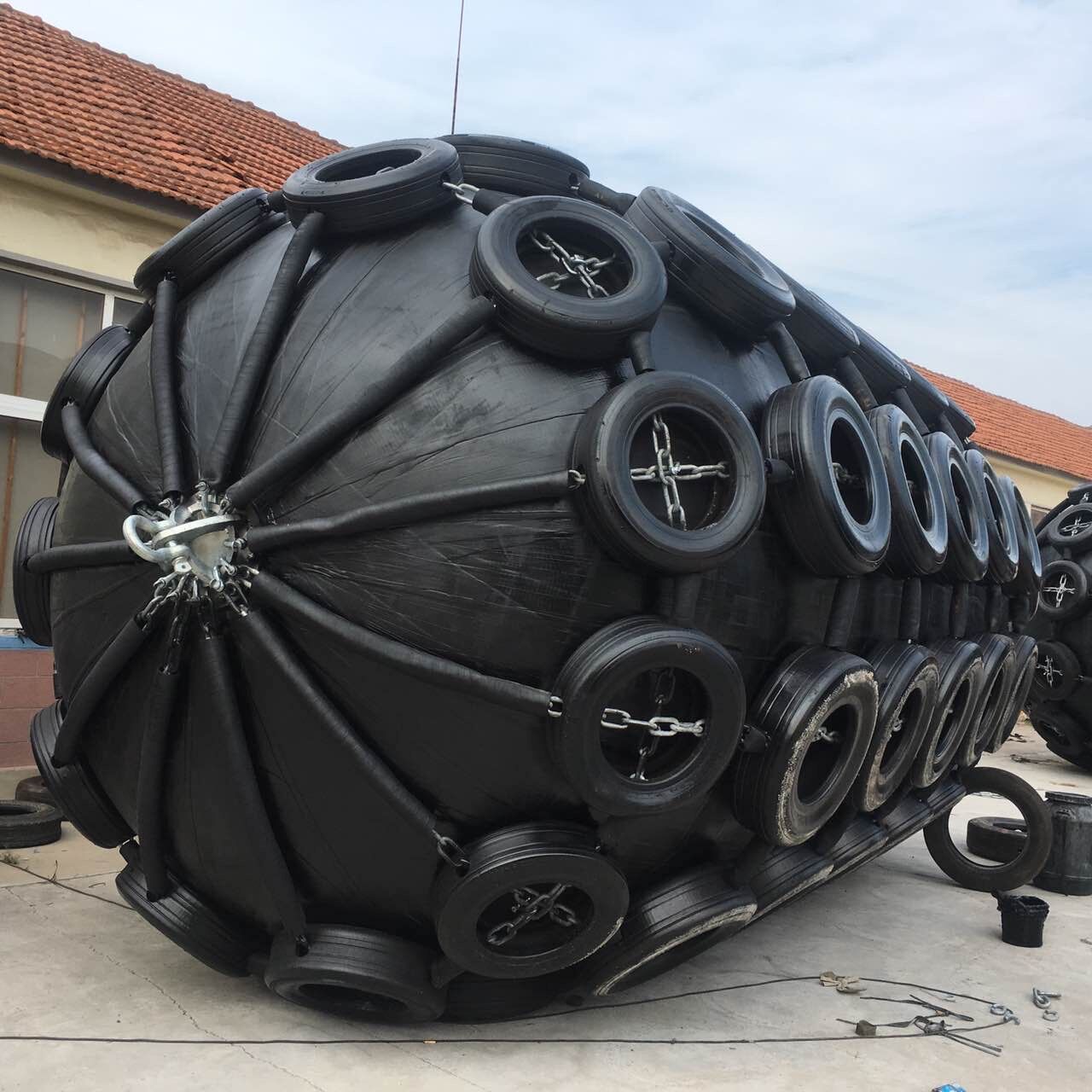
STCW A-V/3 and the IGF Code establish minimum training standards for handling low flash-point fuels. But certification alone does not build the practical skills required for day-to-day LNG bunkering operations.
The gap is applied competence: understanding the technical nuances between bunker and receiving vessels, recognizing differences in safety links and transfer equipment, and mastering the sequencing of critical tasks.
Putri Delima Satu FSU Conversion: A Training Case Study
During the conversion of Puteri Delima Satu into a Floating Storage Unit, installation of a Gen3 double-bank SSL required comprehensive training for 42 crew members with varied technical backgrounds. A blended program incorporated:
- Project-specific manuals for self-paced learning
- Classroom instruction with visual aids
- A Figma-based simulation tool replicating realistic SSL scenarios
- Onboard practical training with frequent Q&A reinforcement
The result: crews capable of operating, maintaining, and troubleshooting the system effectively, reducing downtime risk and strengthening operational confidence.
Simulation tools enable crews on both supply and receiving sides to visualize how systems interact and respond to anomalies. This approach improves confidence and situational awareness while encouraging collaborative problem-solving when unexpected conditions arise.
| Standard | Scope | Status |
|---|---|---|
| IMO IGF Code | International code for ships using low-flashpoint fuels | Mandatory |
| SGMF Guidelines | LNG bunkering operational guidance | Voluntary |
| ISO/TS 18683:2021 | Safety and risk assessment for LNG bunkering | Technical Specification |
| SS 727-3:2026 | Singapore LNG bunkering procedures and safety distances | National Standard |
| EN 1474-II / EN 12434 | Hose assembly requirements | Product Standard |
ISO/TS 18683 provides a risk-based approach for the design and operation of LNG bunker transfer systems, including the interface between supply facilities and receiving vessels. It covers ship-to-ship, shore-to-ship, and mobile-to-ship scenarios.
Singapore's SS 727-3:2026 represents one of the most current national standards, covering principles, requirements, and procedures for LNG bunkering operations via truck-to-ship and ship-to-ship methods.
Despite these frameworks, the voluntary nature of key guidelines allows significant variation. Shipyards can embed interoperability as a design principle—or not. Suppliers can standardize manifolds, couplings, and safety system interfaces—or not. The result is a patchwork of compatibility that creates operational risk.
> *"Standardized interfaces, strong compatibility planning and informed operational analysis are essential to prevent variability from amplifying inefficiencies, constraining safe operations and slowing LNG uptake."*
The global LNG bunkering fleet is projected to grow by more than 60% within three years, from 67 vessels to over 109 by 2029. New vessel specifications are trending larger, typically concentrated in the 18,000 to 20,000 cubic meter range.
This growth creates both opportunity and risk. More vessels mean more interfaces, more compatibility scenarios, and more opportunities for incompatibility to constrain operations.
As alternative fuels like ammonia and methanol emerge, operators will need to become increasingly multi-disciplined to handle a wider range of complex transfer interfaces safely. The compatibility challenge will multiply, not diminish.
For Port Authorities:
- Require standardized SSL and MLM systems at all LNG berths
- Invest in training infrastructure that supports simulation-based competency development
For Ship Operators:
- Specify interoperability as a design requirement in newbuild contracts
- Conduct compatibility assessments before committing vessels to specific trade routes
- Maintain lifecycle support agreements for critical interface equipment
For Equipment Suppliers:
- Prioritize standardization over proprietary advantage
- Provide comprehensive training packages with new system installations
- Offer global service networks that can respond to interface issues across jurisdictions
LNG bunkering's growth trajectory—from 4 million tonnes in 2025 toward 56 million tonnes by 2031—depends on more than fleet expansion and fuel economics. It depends on whether the industry can engineer out compatibility chaos at every transfer interface.
The operators who succeed will be those who treat interfaces not as procurement line items but as strategic assets requiring deliberate design, rigorous standardization, and continuous optimization.
The alternative—relying on compatibility luck—is a bet that growing operational complexity will somehow resolve itself. The evidence suggests it will not.
Need pneumatic rubber fenders for your LNG bunkering or STS transfer operations?
As an OEM manufacturer serving global marine equipment brands, Nanjing Taidun Marine Equipment Engineering Co., Ltd. designs and produces pneumatic rubber fenders and floating fender systems for LNG bunkering vessels, terminals, and ship-to-ship transfer applications.
- OEM/ODM Services: Custom specifications for brand partners and wholesalers
- Full Traceability: Every component documented from raw material to finished product
- Third-Party Certification: BV, SGS, ABS, DNV witnessing available
- Contact: service@taidunmarine.com | www.taidunmarine.com
1. Kpler. "Tailwinds for LNG bunkering in 2026." January 29, 2026. [https://www.kpler.com/blog/tailwinds-for-lng-bunkering-in-2026]
2. GII Research. "Liquefied Natural Gas (LNG) Bunkering - Market Share Analysis, Industry Trends & Statistics." June 2026. [https://www.giiresearch.com/report/moi2072447-liquefied-natural-gas-lng-bunkering-market-share.html]
3. World Ports Organization. "High order volume, LNG bunkering fleet size to increase significantly." August 2026. [https://www.worldports.org/high-order-volume-lng-bunkering-fleet-size-to-increase-significantly/]
4. Singapore Standards. "SS 727-3:2026 Code of practice for LNG bunkering – Part 3." [https://www.singaporestandardseshop.sg/Product/SSPdtDetail/adf8365a-f062-45e2-b544-a4e6c363bdea]
5. NBN Belgium. "CEN ISO/TS 18683:2026 Guidelines for safety and risk assessment of LNG fuel bunkering operations." [https://app.nbn.be/data/r/platform/frontend/detail?p40_id=3505549]
6. Oilfield Technology. "LNG Industry February 2026." [https://www.oilfieldtechnology.com/magazine/lng-industry/february-2026/]
Compatibility chaos refers to the operational inefficiencies and safety risks that arise when equipment, control systems, and interfaces between LNG supply vessels, receiving ships, and terminals do not align properly. It matters because incompatibilities can prevent port access, delay transfers, increase boil-off, and create unsafe conditions. As the LNG bunkering market grows at over 30% annually, these issues compound across an expanding and increasingly diverse fleet.
A Ship-Shore Link is the communication and safety interface between a vessel and terminal (or between vessels in STS operations). It transmits critical data including mooring loads, Emergency Shutdown signals, and transfer parameters. When SSL systems are incompatible, vessels cannot transmit required data to terminals, potentially preventing port access entirely. Modern hybrid SSL/USL systems are designed to work across multiple terminal types and jurisdictions.
Pneumatic rubber fenders (also called floating fenders or Yokohama fenders) provide controlled standoff between bunkering vessels and receiving ships during STS transfer operations. Their energy absorption characteristics protect both vessels from impact damage during berthing and maintain proper standoff distance throughout the transfer. Interface optimization includes ensuring fender systems are compatible with vessel hull geometries and operational conditions.
Beyond STCW A-V/3 and IGF Code certification, crews need applied competence in the specific interfaces of their operations: understanding technical nuances between bunker and receiving vessels, recognizing differences in safety links and transfer equipment, and mastering critical task sequencing. Simulation-based training that replicates realistic system scenarios has proven effective in building this competence, as demonstrated in the Puteri Delima Satu FSU conversion where 42 crew members received blended training incorporating a Figma-based simulator.
The primary frameworks include the IMO IGF Code (mandatory), SGMF guidelines (voluntary), ISO/TS 18683 for safety and risk assessment, and national standards such as Singapore's SS 727-3:2026. However, the voluntary nature of some key guidelines means significant variation persists in how standards are implemented across jurisdictions and shipyards.


