

Views: 220 Author: Site Editor Publish Time: 2026-02-05 Origin: Site
Content Menu
>> The Importance of Marine Fendering
● Installation and Maintenance of Marine Fenders
>> 1. What are the main types of marine fenders?
>> 2. How do I choose the right fender for my vessel?
>> 3. How often should marine fenders be inspected?
>> 4. Can marine fenders be repaired?
>> 5. What is the lifespan of a marine fender?
Nanjing Taidun Marine Equipment Engineering Co., Ltd is a leading manufacturer specializing in marine fendering solutions. As a trusted OEM factory, we provide high-quality fender products to international brands, wholesalers, and manufacturers. In this article, we will explore the importance of marine fendering, the various types of fenders available, and how they contribute to the safety and efficiency of marine operations.
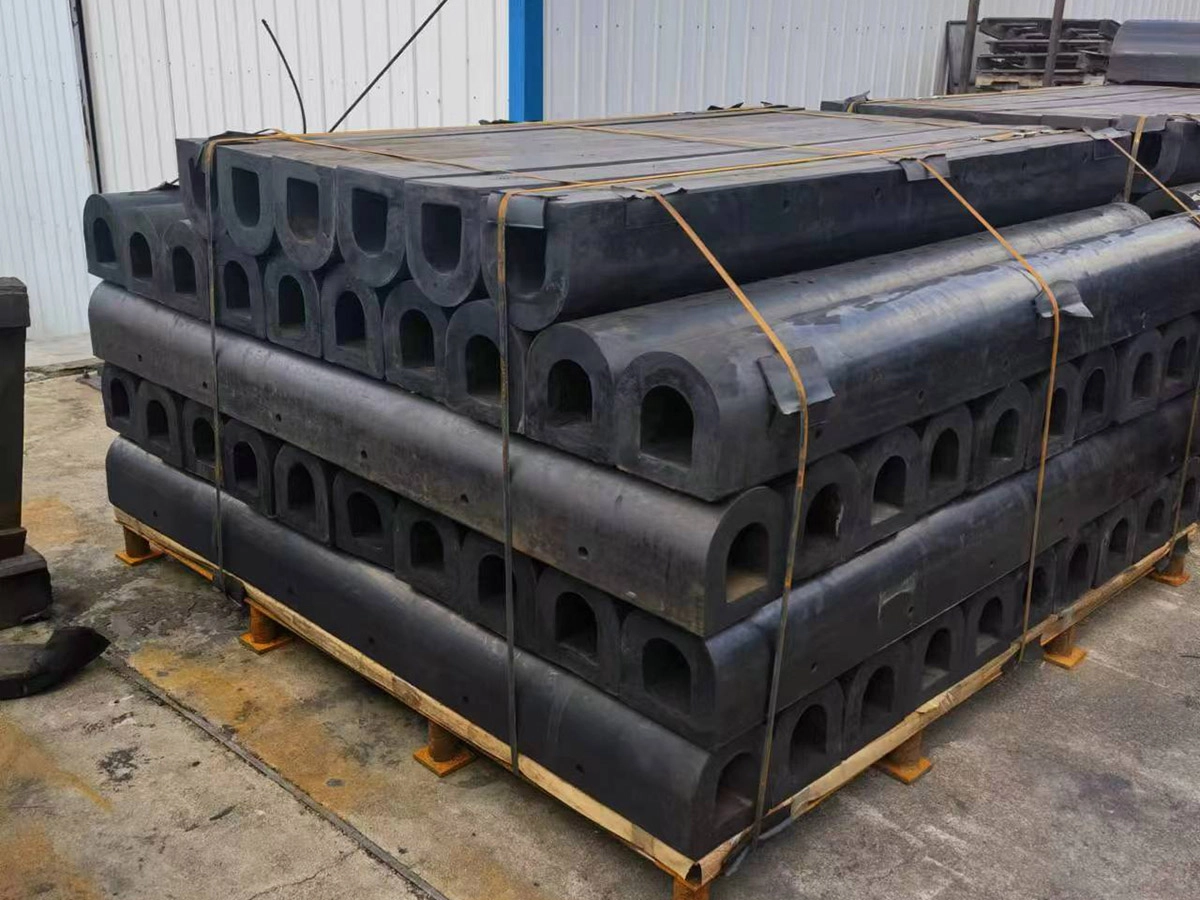
Marine fendering refers to the systems and products designed to absorb the kinetic energy of vessels during berthing and mooring operations. These fenders act as a cushion, preventing damage to both the vessel and the docking infrastructure. The primary function of marine fenders is to protect ships, docks, and other marine structures from the impacts that occur during docking.
Marine fendering is crucial for several reasons:
- Protection of Vessels: Fenders prevent damage to the hulls of ships, which can be costly to repair.
- Infrastructure Safety: They protect docks and piers from the impact forces generated by vessels, ensuring the longevity of these structures.
- Operational Efficiency: Proper fendering systems facilitate smoother docking and mooring operations, reducing the risk of accidents and delays.
There are several types of marine fenders, each designed for specific applications and environments. Understanding these types can help you choose the right fendering solution for your needs.
Pneumatic fenders are air-filled rubber fenders that provide excellent energy absorption and low reaction forces. They are widely used in ship-to-ship transfer operations and are ideal for large vessels due to their flexibility and durability.
Foam-filled fenders are made from a closed-cell foam core, which provides buoyancy and energy absorption. These fenders are lightweight and resistant to water absorption, making them suitable for various marine environments.
Rubber fenders are the most common type used in marine applications. They come in various shapes, including cylindrical, cone, and arch designs. Rubber fenders are known for their durability and high energy absorption capabilities.
Cell fenders are fixed fenders that are mounted to the dock or pier. They are designed to absorb high energy impacts and are commonly used in busy ports and harbors.
Composite fenders combine different materials to enhance performance. They are designed to withstand harsh marine conditions and provide superior energy absorption.
Selecting the appropriate fender for your application involves considering several factors:
- Vessel Size and Type: The size and type of the vessel will determine the fender's specifications.
- Berthing Conditions: Factors such as tidal variations, wave action, and wind conditions should be assessed.
- Impact Forces: Understanding the potential impact forces during docking will help in selecting a fender with adequate energy absorption capabilities.
Proper installation and maintenance of marine fenders are essential for ensuring their effectiveness and longevity.
- Site Assessment: Conduct a thorough assessment of the docking area to determine the best fender placement.
- Alignment: Ensure that fenders are aligned correctly to absorb impacts effectively.
- Secure Mounting: Fenders should be securely mounted to withstand the forces exerted during berthing.
- Regular Inspections: Conduct routine inspections to check for wear and tear, ensuring that fenders are in good condition.
- Cleaning: Keep fenders clean to prevent the buildup of marine growth, which can affect their performance.
- Repairs: Address any damage promptly to maintain the integrity of the fendering system.
Marine fendering is a critical aspect of maritime operations, providing essential protection for vessels and infrastructure. By understanding the different types of fenders and their applications, operators can make informed decisions that enhance safety and efficiency in marine environments. Nanjing Taidun Marine Equipment Engineering Co., Ltd is committed to delivering high-quality fendering solutions tailored to meet the diverse needs of our clients.

The main types of marine fenders include pneumatic fenders, foam-filled fenders, rubber fenders, cell fenders, and composite fenders.
Consider factors such as vessel size, berthing conditions, and expected impact forces when selecting a fender.
Marine fenders should be inspected regularly, ideally every few months, to ensure they are in good condition and functioning properly.
Yes, minor damages to marine fenders can often be repaired. However, significant damage may require replacement.
The lifespan of a marine fender varies depending on the type, usage, and environmental conditions, but they can last several years with proper maintenance.
Hot Tags: China, Global, OEM, private label, manufacturers, factory, suppliers, manufacturing company


