

Views: 220 Author: taidunmarine Publish Time: 2026-02-05 Origin: Site
Content Menu
>> The Importance of Fendering
>> 5. Vertical and Horizontal Fenders
● Factors to Consider When Choosing Fendering Systems
>> Installation and Maintenance
● The Future of Fendering Technology
>> 1. What is the primary function of fenders in maritime operations?
>> 2. What types of materials are commonly used in fender manufacturing?
>> 3. How do I determine the right fendering system for my vessel?
>> 4. What maintenance is required for fendering systems?
>> 5. Are there any advancements in fendering technology?
Nanjing Taidun Marine Equipment Engineering Co., Ltd is a leading manufacturer specializing in custom fendering solutions for the marine industry. As a prominent OEM factory, we provide tailored fendering products to international fender manufacturers, wholesalers, and producers. This article delves into the meaning of fendering, its importance in maritime operations, and the various types of fenders available in the market.

Fendering refers to the use of protective devices, known as fenders, that are installed on vessels and docking structures to absorb the impact during berthing. These devices serve as a cushion, preventing damage to both the vessel and the dock. The primary function of fendering is to minimize the kinetic energy transferred during contact, thereby safeguarding the structural integrity of both the ship and the docking facility.
Fendering is crucial in maritime operations for several reasons:
- Protection Against Damage: Fendering systems protect vessels from potential damage caused by collisions with docks, piers, or other vessels. This is particularly important in busy ports where the risk of contact is high.
- Safety Enhancement: By absorbing the shock of impact, fenders help ensure the safety of crew members and passengers on board, reducing the likelihood of accidents during docking.
- Cost Efficiency: Investing in quality fendering systems can save ship owners and port operators significant repair costs associated with damage from collisions.
Fendering systems come in various shapes, sizes, and materials, each designed for specific applications. Here are some common types of fenders used in the marine industry:
Pneumatic fenders are inflatable devices that provide excellent energy absorption. They are particularly useful for large vessels and are often used in ship-to-ship (STS) operations. Their flexibility allows them to adapt to various berthing conditions.
Foam fenders are made from closed-cell foam and are lightweight yet durable. They are ideal for smaller vessels and provide good protection against impacts. Their buoyancy ensures they remain afloat, making them easy to handle.
Rubber fenders are the most common type used in the industry. They come in various shapes, including cylindrical, square, and flat designs. Rubber fenders are known for their high energy absorption and low reaction force, making them suitable for a wide range of vessels.
Composite fenders combine different materials to enhance performance. They often feature a rubber outer layer with a foam core, providing the benefits of both materials. These fenders are designed for specific applications, such as high-traffic ports.
Vertical fenders are typically used on docks and piers, while horizontal fenders are installed on vessels. The choice between vertical and horizontal fenders depends on the docking configuration and the type of vessels being accommodated.
When selecting a fendering system, several factors must be taken into account:
The size and type of the vessel play a significant role in determining the appropriate fendering solution. Larger vessels require fenders with higher energy absorption capabilities.
The environmental conditions at the docking site, including tidal variations and wave action, influence the choice of fendering. Areas with high traffic may require more robust fendering systems.
The materials used in fender construction should be durable and resistant to environmental factors such as UV exposure, saltwater, and abrasion. This ensures a longer lifespan and reduced maintenance costs.
Proper installation and regular maintenance of fendering systems are essential for optimal performance. It is crucial to follow manufacturer guidelines and conduct routine inspections to identify any wear or damage.
As the maritime industry evolves, so does the technology behind fendering systems. Innovations in materials and design are leading to more efficient and effective fendering solutions. For instance, advancements in smart technology allow for real-time monitoring of fender conditions, enabling proactive maintenance and replacement.
With increasing awareness of environmental issues, the industry is also moving towards more sustainable practices. Manufacturers are exploring eco-friendly materials and production methods to reduce the environmental impact of fendering systems.
Fendering is an essential aspect of maritime safety, providing protection for vessels and docking structures during berthing operations. Nanjing Taidun Marine Equipment Engineering Co., Ltd is committed to delivering high-quality fendering solutions tailored to the needs of our clients. By understanding the various types of fenders and their applications, stakeholders in the marine industry can make informed decisions that enhance safety and efficiency.
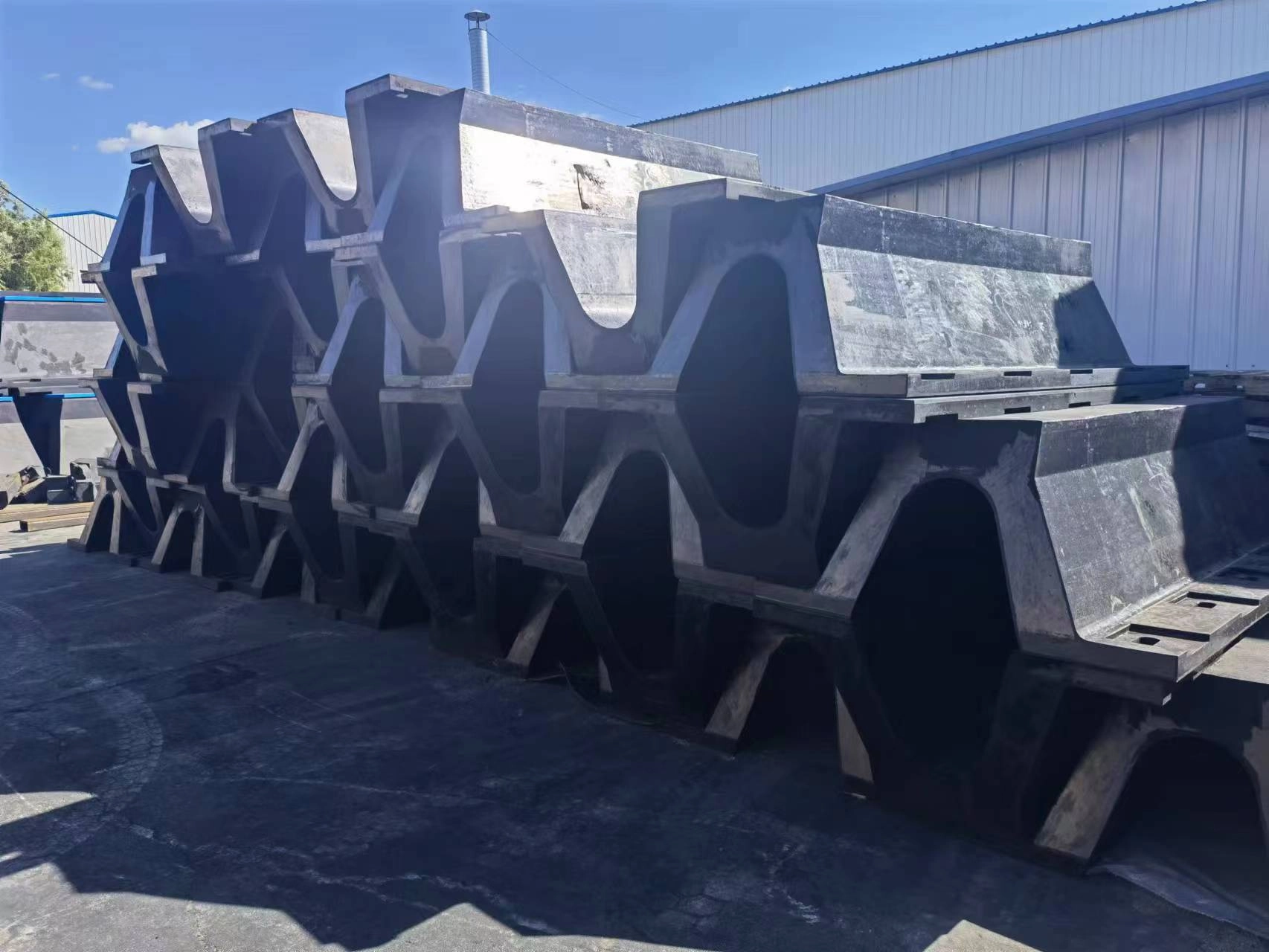
Fenders serve to absorb the impact during berthing, protecting both the vessel and the docking structure from damage.
Common materials include rubber, foam, and composite materials, each offering different benefits in terms of durability and energy absorption.
Consider factors such as vessel size, berthing conditions, and the specific requirements of your docking environment when selecting a fendering system.
Regular inspections for wear and damage, along with cleaning and proper storage, are essential for maintaining fendering systems.
Yes, innovations in materials and smart technology are leading to more efficient fendering solutions, including real-time monitoring systems.
Hot Tags: China, Global, OEM, private label, manufacturers, factory, suppliers, manufacturing company


