

Views: 260 Author: Nanjing Taidun Publish Time: 2026-07-06 Origin: Site
Content Menu
● Why Fouled Anchors Matter in Real Operations
● Main Causes of Anchor Fouling
● How to Recognize a Fouled Anchor
● Recovery Methods Used by Mariners
● Prevention Tips for Safer Anchoring
● OEM Manufacturing Perspective From Nanjing Taidun
● Industry Insight: What Buyers Should Ask Suppliers
● FAQ
If you work in marine operations, ship supply, or deck equipment sourcing, the question "what is a fouled anchor" matters more than it sounds. A fouled anchor is not just an inconvenience; it can slow operations, increase safety risks, damage equipment, and create costly delays in anchoring and retrieval.
For international buyers, shipyards, and brand owners, understanding this issue also helps you choose better anchor systems, specify stronger components, and work with a reliable OEM supplier such as Nanjing Taidun Marine Equipment Engineering Co.,Ltd.
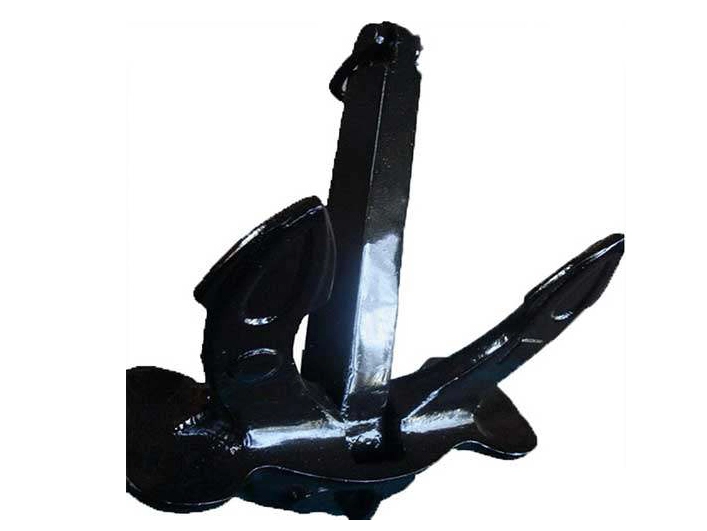
A fouled anchor is an anchor that has become tangled, obstructed, or trapped so it can no longer function normally. In simple terms, the anchor or its chain has snagged on underwater debris, wrapped around itself, or hooked onto rocks, cables, wreckage, or seabed obstacles.
In maritime language, "fouled" means entangled or obstructed. That is why a fouled anchor may fail to set properly, hold the vessel securely, or come back up smoothly during recovery.
A fouled anchor is not a minor technical issue. It can affect vessel safety, schedule reliability, and operating cost.
Common operational impacts include:
- Loss of holding power, which increases drift risk.
- Slow retrieval, which delays departure.
- Damage to chain, windlass, or anchor flukes.
- Higher labor and equipment costs for recovery.
- Potential navigation hazards in congested anchorages.
For commercial shipping, offshore projects, and port operations, these delays can translate into expensive downtime. That is why anchor system quality, deployment procedure, and inspection discipline all matter.
A fouled anchor can happen for several reasons. Most cases fall into one of these categories:
1. Chain wrapping around the anchor itself.
2. Hooking on underwater obstacles, such as rocks, wrecks, cables, or debris.
3. Poor deployment angle, which causes twisting or improper seating.
4. Strong current or vessel movement, which drags the anchor into a snag.
5. Seabed conditions, especially in rocky or debris-heavy areas.
In practice, many fouled-anchor incidents are not caused by one mistake alone. They usually result from a mix of seabed conditions, operational handling, and equipment condition.
Early recognition helps crews react faster and reduce damage. A fouled anchor often shows these signs:
- The chain feels abnormally tight or uneven during heaving.
- The vessel does not respond as expected when the windlass operates.
- Retrieval becomes jerky, noisy, or stalled.
- The anchor does not rise in a clean vertical line.
- The vessel may swing or drift unexpectedly.
If these symptoms appear, crew should stop and assess the situation before forcing the system.
When an anchor is fouled, the recovery method depends on the cause and severity.
Typical approaches include:
- Changing vessel position to alter chain angle.
- Applying controlled tension with the windlass.
- Using a tripping line where the system is designed for it.
- Assistance from a tug or divers in more difficult cases.
- Careful load management to avoid chain or machinery damage.
The key principle is simple: do not force the system blindly. Excessive pulling can damage the anchor, chain, or windlass and make the problem worse.
Preventing fouling is always cheaper than recovering from it. Good seamanship and equipment planning reduce risk significantly.
Best practices include:
- Check seabed charts before anchoring.
- Choose sand or mud bottom when possible.
- Maintain the correct scope and deployment angle.
- Inspect anchor, chain, shackles, and windlass regularly.
- Train crew on proper anchoring and recovery procedures.
- Avoid anchoring near wrecks, cables, or known debris fields.
For marine buyers and OEM customers, prevention also starts at the design stage. A well-made anchor system with proper geometry, durable surface protection, and consistent manufacturing quality can improve reliability in the field.
At Nanjing Taidun Marine Equipment Engineering Co.,Ltd, we understand that anchor performance is not just about the anchor itself. It is about the full working system: the anchor, chain, mooring arrangement, installation accuracy, and real-world marine environment.
As an OEM factory serving overseas brands, wholesalers, and manufacturers, we focus on:
- Stable product quality
- Customized OEM production
- Marine engineering-grade manufacturing
- Compatibility with international marine applications
- Reliable supply for ship equipment projects
For buyers, this means more than production capacity. It means having a manufacturing partner that understands how anchor equipment behaves under operational stress, including fouling risk, corrosion exposure, and load demand.
When sourcing marine anchors or related equipment, buyers should go beyond price.
Ask these questions:
- What material grades are used?
- What surface treatment or corrosion protection is available?
- Can the supplier support OEM customization?
- Is the product suitable for the target vessel type and seabed condition?
- What quality control and inspection process is used?
These questions help you compare suppliers more intelligently and reduce field failures later.
| Item | Normal Anchor | Fouled Anchor |
|---|---|---|
| Function | Holds vessel securely | Cannot hold or retrieve normally |
| Chain status | Free and properly aligned | Tangled, wrapped, or snagged |
| Risk level | Low when used correctly | Higher safety and operational risk |
| Recovery | Smooth and predictable | May require repositioning or external help |
A fouled anchor is an anchor that has become tangled or obstructed, preventing normal performance. Understanding the causes, signs, and prevention methods helps ship operators avoid delays and improve safety.
If you are looking for an OEM partner for marine anchors, mooring equipment, or related deck hardware, Nanjing Taidun Marine Equipment Engineering Co.,Ltd can support customized manufacturing for overseas brand owners, wholesalers, and marine equipment producers.
1. What is a fouled anchor in simple words?
A fouled anchor is an anchor that gets tangled, snagged, or obstructed so it cannot work properly.
2. What causes an anchor to become fouled?
Common causes include chain wrapping, underwater debris, rocks, wrecks, cables, and poor deployment.
3. Is a fouled anchor dangerous?
Yes. It can cause loss of holding power, retrieval problems, equipment damage, and operational delays.
4. How do sailors recover a fouled anchor?
They may reposition the vessel, apply controlled tension, use a tripping line, or call for tug/diver assistance.
5. How can fouling be prevented?
By checking seabed conditions, using correct scope, training crew, and maintaining anchor equipment properly.
6. Why should marine buyers care about anchor fouling?
Because anchor quality, design, and manufacturing consistency all affect reliability, safety, and long-term cost.

1. Merriam-Webster, "foul anchor" definition.
https://www.merriam-webster.com/dictionary/foul%20anchor
2. Marine Insight, "What are Foul Anchors?"
https://www.marineinsight.com/what-are-foul-anchors/
3. Challenge D America, "What makes an anchor fouled?"
https://challengedamerica.org/what-makes-an-anchor-fouled/
4. Wikipedia, "Foul (nautical)"
https://en.wikipedia.org/wiki/Foul_(nautical)
5. Social and community references on anchor fouling and recovery practices used for general topic validation:
https://www.facebook.com/groups/marine.engineers.worldwide/posts/10162471976907376/
https://www.facebook.com/groups/seaportsandships/posts/1232330281251376/
Hot Tags: China, Global, OEM, private label, manufacturers, factory, suppliers, manufacturing company


