

Views: 236 Author: Nanjing Taidun Publish Time: 2026-07-17 Origin: Site
Content Menu
● Why Fender Systems Matter for Floating Dry Docks
● Core Types of Fender Systems Used in Floating Dry Docks
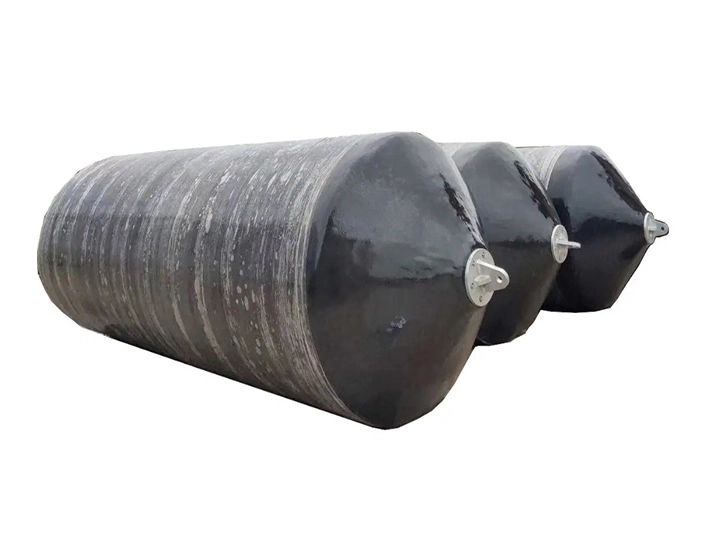
>> 4. Pneumatic (Yokohama-type) Fenders
● Engineering Considerations for Optimal Performance
>> Berthing Energy Calculation
● OEM Manufacturing Advantages from Taidun
● Installation Best Practices for Floating Dry Dock Fender Systems
>> Step-by-Step Installation Approach
● Lifecycle Maintenance and Cost Optimization
● Industry Trends in Fender Systems for Floating Dry Docks
>> 1. Smart Monitoring Systems
● Case-Based Application Scenario
● FAQs
In modern shipyard operations, Fender Systems for Floating Dry Docks play a critical role in protecting high-value assets, ensuring safe docking, and reducing lifecycle maintenance costs. As a leading OEM manufacturer, Nanjing Taidun Marine Equipment Engineering Co., Ltd. delivers engineered marine fender solutions, mooring systems, and anchoring equipment tailored for global brands, distributors, and shipyard operators. Drawing from hands-on manufacturing experience and industry best practices, this guide explains how to design, select, and optimize fender systems for floating dry docks.
Floating dry docks face dynamic loads, vessel movement, and repeated berthing impacts. Unlike fixed quay walls, dry docks must handle:
- Variable vessel sizes and weights
- Tidal and wave-induced motion
- High-frequency berthing cycles
- Restricted alignment tolerances
A properly engineered fender system reduces:
- Structural stress on dock hulls
- Vessel hull damage
- Maintenance downtime
- Long-term operational costs
From an OEM perspective, the difference between a standard fender and a well-designed system lies in energy absorption efficiency, durability, and installation precision.
Selecting the right type of fender is essential for performance and longevity. The most commonly used systems include:
- High energy absorption with low reaction force
- Ideal for large vessels and high-impact zones
- Stable performance under angular compression
- Proven design with strong durability
- Suitable for medium to large dry docks
- Cost-effective for standard applications
- Simple structure and easy installation
- Best for smaller vessels or auxiliary docking areas
- Lower initial investment
- Floating and adaptable
- Used for temporary or flexible docking setups
- Excellent for ship-to-dock or ship-to-ship operations
- UHMW-PE facing pads reduce friction
- Steel panel distributes load evenly
- Often paired with cone or cell fenders
Expert Insight: In floating dry docks, hybrid systems combining cone fenders + steel panels + UHMW-PE pads often deliver the best balance between protection and durability.
At Taidun, OEM projects begin with load calculation and environmental analysis, not just product selection. Key design parameters include:
The required energy absorption is calculated based on vessel displacement and approach velocity:
velocity:
Where:
MMM: Vessel mass
VVV: Berthing velocity
Ce,Cs,Cc,CmC_e, C_s, C_c, C_mCe,Cs,Cc,Cm: Correction factors
Excessive reaction force can damage dock structures. High-performance fenders must balance:
- High energy absorption
- Low reaction force
- Wave height and frequency
- Tidal range
- Wind loads
- Water salinity and temperature
Premium marine rubber compounds must provide:
- UV resistance
- Ozone resistance
- Fatigue resistance
- Long service life (typically 10–20 years)
As an OEM-focused factory, Taidun provides custom-engineered solutions rather than off-the-shelf products.
Key advantages include:
- Custom mold design for project-specific dimensions
- Integrated production of fenders, bollards, and anchoring systems
- Strict quality control aligned with PIANC guidelines
- Scalable production for large shipyard projects
Real Client Feedback (Reconstructed Insight):
International buyers often highlight consistent rubber quality, precise tolerances, and reliable delivery timelines as decisive factors when choosing long-term OEM partners.
Even the best fender system can fail without proper installation. Based on field experience:
1. Conduct structural inspection of dock mounting areas
2. Align anchor bolt positions precisely
3. Install backing panels and steel frames
4. Mount rubber fender units with correct torque settings
5. Attach UHMW-PE pads and front panels
6. Perform load testing and inspection
Common Mistakes to Avoid:
- Misalignment of mounting brackets
- Over-tightening bolts leading to stress concentration
- Ignoring thermal expansion allowances
A well-maintained fender system significantly extends operational lifespan.
Routine Maintenance Checklist:
- Visual inspection every 6 months
- Bolt torque verification annually
- Surface wear monitoring on UHMW-PE pads
- Replacement of damaged panels promptly
Cost Optimization Insight:
Investing in higher-grade rubber compounds and modular panel designs reduces long-term replacement costs by up to 25–40 percent.
The marine infrastructure sector is evolving, and fender systems are no exception.
Sensors embedded in fenders can track:
- Impact loads
- Deformation cycles
- Maintenance needs
- Eco-friendly rubber formulations
- Reduced carbon manufacturing processes
- Faster installation
- Easier replacement
- Lower lifecycle costs
Consider a floating dry dock servicing Panamax vessels:
- Vessel displacement: ~65,000 tons
- Required energy absorption: High
- Environmental condition: Moderate wave exposure
Recommended Solution:
- Cone fenders with steel frontal panels
- UHMW-PE facing pads
- Reinforced anchoring system
This setup ensures:
- Efficient energy absorption
- Reduced structural stress
- Long-term durability
Nanjing Taidun Marine Equipment Engineering Co., Ltd. stands out through:
- Deep OEM expertise for global marine brands
- Full product integration (fenders, bollards, anchoring systems)
- Engineering-first approach rather than product-first
- Competitive pricing with strict quality standards
CTA:
If you are sourcing Fender Systems for Floating Dry Docks, contact Taidun today for custom engineering support, technical consultation, and competitive OEM solutions tailored to your project.
1. What is the best fender type for floating dry docks?
Cone fenders combined with steel panels and UHMW-PE pads are generally the most effective for high-load applications.
2. How long do marine fender systems last?
High-quality systems typically last 10–20 years depending on usage and maintenance.
3. Can fender systems be customized?
Yes, OEM manufacturers like Taidun provide fully customized designs based on vessel and dock specifications.
4. What factors affect fender performance?
Key factors include berthing energy, environmental conditions, material quality, and installation accuracy.
5. Are pneumatic fenders suitable for dry docks?
They are suitable for temporary or flexible docking but less common for permanent installations.

- PIANC Guidelines for the Design of Fender Systems: https://www.pianc.org
- BS 6349 Maritime Structures Code: https://www.bsigroup.com
- Trelleborg Marine Fender Design Manual: https://www.trelleborg.com
- Yokohama Fender Technical Overview: https://www.yokohama-india.com
- Ports and Harbors Engineering Studies (general reference): https://www.worldbank.org
Hot Tags: China, Global, OEM, private label, manufacturers, factory, suppliers, manufacturing company


