

Views: 269 Author: Nanjing Taidun Publish Time: 2026-07-21 Origin: Site
Content Menu
● Why Bridge Pier Protection Matters More Than Ever
● What Is a Marine Fender System for Bridge Piers?
● How Marine Fender Systems Protect Bridge Structures
● Key Design Factors for Bridge Pier Fender Systems
>> 2. Environmental Conditions
● OEM Expertise: Why Choose Nanjing Taidun
● Advanced Materials and Technology Trends
>> High-Performance Rubber Compounds
● Practical Installation Guide (Step-by-Step)
● Case Insight: Bridge Protection Upgrade Project
● Maintenance and Lifecycle Optimization
● Why Bridge Fender Systems Are a Strategic Investment
● FAQ
In global port and inland waterway infrastructure, bridge pier protection using marine fender systems has become a critical safety and asset-preservation strategy. At Nanjing Taidun Marine Equipment Engineering Co., Ltd, we have worked closely with international brand owners, wholesalers, and engineering contractors to design OEM marine fender solutions that reduce collision risk, extend structural lifespan, and meet stringent maritime safety standards. From firsthand project experience and industry collaboration, this article explores how advanced fender systems protect bridge piers and why the right engineering approach makes all the difference.
Modern shipping traffic is larger, faster, and more frequent. This increases the probability of accidental vessel impacts on bridge piers.
Key risks without proper protection:
- Structural damage leading to costly repairs or collapse
- Traffic disruption on critical transport corridors
- Environmental hazards from fuel leakage
- Legal and insurance liabilities
According to global infrastructure safety studies, vessel collisions are among the leading causes of bridge damage in navigable waterways. This makes marine fender systems not optional—but essential engineered safeguards.
A marine fender system is an engineered energy-absorption solution installed around bridge piers to absorb kinetic energy during vessel impact and prevent direct structural contact.
At Taidun, our OEM solutions are designed to:
- Dissipate impact energy efficiently
- Reduce reaction force on the pier
- Guide vessels away from critical zones
- Withstand harsh marine environments
Common types used in bridge pier protection:
- Cone fenders
- Cell fenders
- Arch fenders
- Cylindrical fenders
- Foam-filled fenders
Understanding the mechanics helps optimize design.
Impact protection works through three core principles:
1. Energy Absorption
The fender compresses upon impact, converting kinetic energy into deformation energy.
2. Load Distribution
The system spreads force over a larger area, reducing stress concentration on the pier.
3. Controlled Reaction Force
Proper design ensures that the force transmitted to the structure stays within safe limits.
Example:
A bulk carrier drifting at low speed can still generate significant energy due to mass. A properly selected cone fender system can absorb up to 70%–80% of that energy, preventing structural damage.
From our engineering experience at Taidun, successful bridge pier protection depends on precise customization.
- Size (DWT)
- Approach velocity
- Berthing angle
- Water current
- Tidal variation
- Wind load
- Salinity and corrosion exposure
- Pier geometry
- Installation space
- Foundation strength
Impact energy is calculated using:
Where:
EEE = kinetic energy
m = vessel mass
vvv = velocity
Accurate calculation ensures correct fender sizing and configuration.
As a specialized OEM manufacturer, Taidun delivers tailored solutions rather than off-the-shelf products.
Our strengths include:
- Custom engineering design based on project parameters
- Full product range: rubber fenders, bollards, anchoring systems
- Compliance with international standards (PIANC, ISO)
- Durable rubber formulations for long service life
- Global OEM support for brands and distributors
Client feedback highlights:
- "Consistent quality and reliable customization"
- "Strong engineering support for complex bridge projects"
- "Fast response and flexible OEM production"
The marine fender industry is evolving rapidly.
Modern formulations offer:
- Higher energy absorption
- Better fatigue resistance
- UV and ozone protection
Emerging systems include:
- Embedded sensors for impact monitoring
- Real-time structural health data
- Predictive maintenance alerts
- Easier installation
- Reduced downtime
- Cost-effective replacement
Proper installation is as important as design.
1. Site Assessment
Conduct hydrographic and structural surveys.
2. Energy Analysis
Determine design impact scenarios.
3. System Selection
Choose fender type and configuration.
4. Mounting Design
Engineer steel panels, chains, and anchors.
5. Installation
Ensure precise alignment and secure fastening.
6. Inspection and Testing
Verify performance under simulated loads.
Even well-funded projects can fail due to poor planning.
- Underestimating vessel impact energy
- Using generic fenders instead of customized systems
- Ignoring environmental factors
- Improper installation or anchoring
- Lack of maintenance planning
At Taidun, we often help clients correct these issues in retrofit projects, which is more costly than doing it right the first time.
In one OEM project for an overseas contractor:
- Problem: Frequent minor vessel impacts damaging pier surfaces
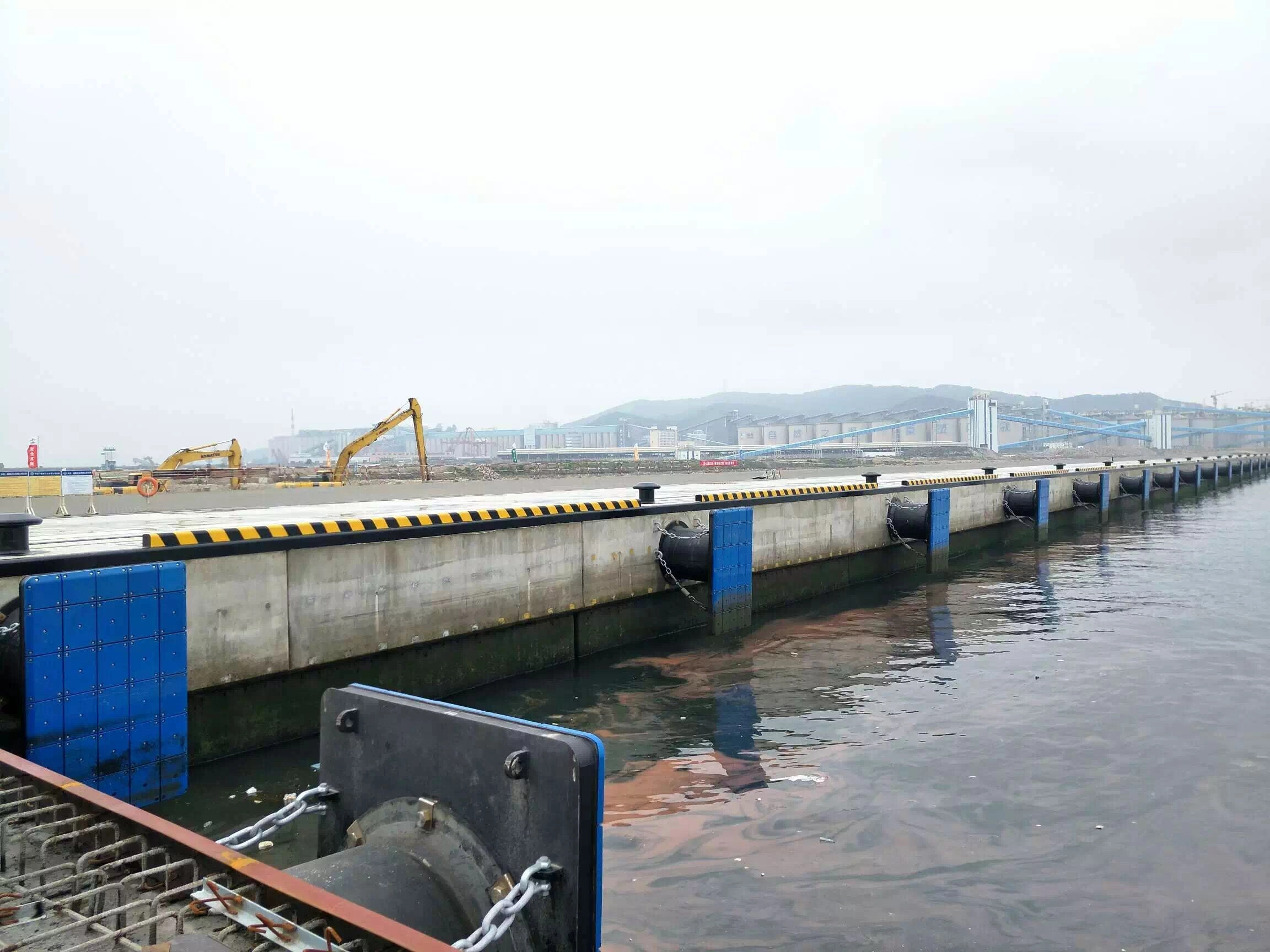
- Solution: Installation of cone fender system with UHMW-PE panels
- Result:
- 90% reduction in damage incidents
- Lower maintenance costs
- Improved navigation safety
This demonstrates how engineered fender systems deliver measurable ROI.
A well-designed system still requires maintenance.
Best practices:
- Annual inspection of rubber integrity
- Check bolt tightness and steel corrosion
- Replace worn panels or chains
- Monitor deformation performance
Expected lifespan:
- High-quality rubber fenders: 15–25 years
Bridge pier protection is not just about safety—it is about long-term infrastructure resilience.
Benefits include:
- Reduced repair costs
- Increased structural lifespan
- Improved maritime safety
- Regulatory compliance
- Lower insurance risks
If you are planning a bridge project or upgrading existing infrastructure, partner with Nanjing Taidun Marine Equipment Engineering Co., Ltd for reliable OEM marine fender solutions.
Our engineering team is ready to provide:
- Custom design proposals
- Technical calculations
- Fast production and global delivery
Contact us today to discuss your project requirements.
1. What type of fender is best for bridge pier protection?
Cone and cell fenders are commonly used due to their high energy absorption and durability, but the best choice depends on project conditions.
2. How do you calculate the required fender size?
By analyzing vessel mass, velocity, and approach conditions using kinetic energy formulas.
3. How long do marine fender systems last?
Typically 15–25 years with proper maintenance.
4. Can existing bridges be retrofitted with fender systems?
Yes, retrofit solutions are widely used to upgrade older structures.
5. Are OEM fender systems better than standard products?
OEM systems are tailored to specific conditions, offering better performance and safety.
- PIANC. "Guidelines for the Design of Fender Systems."
https://www.pianc.org
- US Federal Highway Administration (FHWA). "Vessel Collision Design of Bridge Piers."
https://www.fhwa.dot.gov
- World Association for Waterborne Transport Infrastructure Reports
https://www.pianc.org/publications
- ISO 17357: Ships and Marine Technology – Floating Pneumatic Rubber Fenders
https://www.iso.org
- Research on vessel collision risks in bridges (Transportation Research Board)
https://www.trb.org
Hot Tags: China, Global, OEM, private label, manufacturers, factory, suppliers, manufacturing company


